



Short report
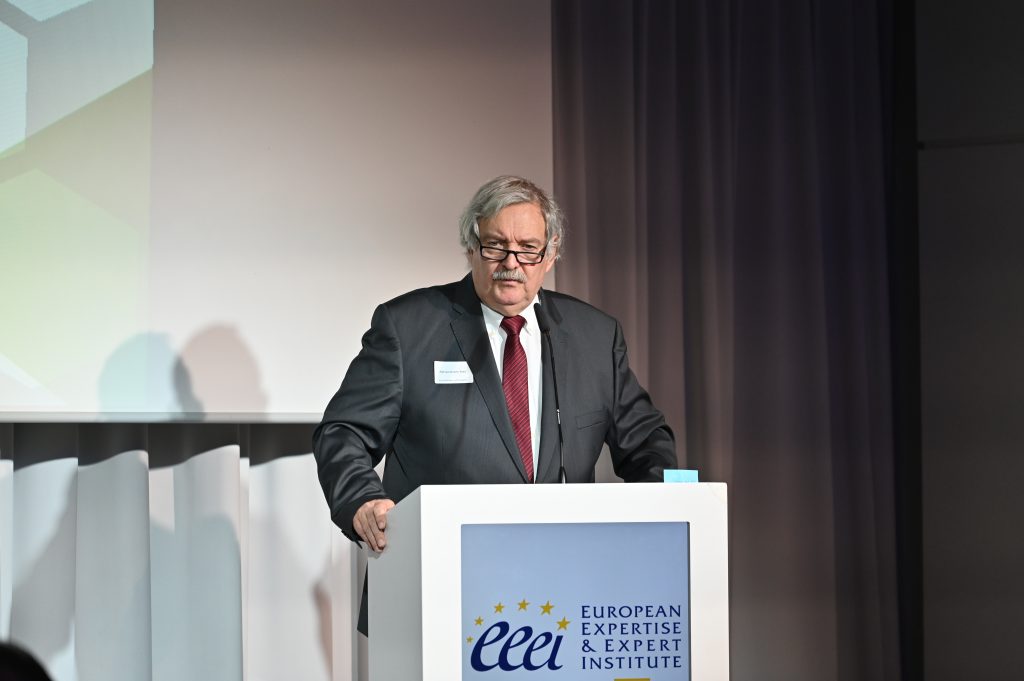
At the initiative of Yves Adriaenssens, the symposium opened with a minute’s silence for the victims of all kinds of accidents and violence.
Dr Adriaenssens then introduced the conference by recalling the judicial context:
The judicial system is one of the pillars that symbolises truth, justice, diversity and equality. As legal experts, we are part of this system.
The search for truth has also had a philosophical trajectory. Truth is an important part of our daily lives, and the search for truth is the driving force behind our thinking.
When it comes to truth, human beings are highly susceptible to influence. Just look at the biases we all have to avoid. Our brains sometimes make us accept illusory truths. Kant once said that truth or appearance lies not in the object as it is perceived, but in the judgement of it as it is thought.
The scientist, but also the judge, must constantly be on the alert for biases and inherent prejudices.
Doing justice to someone is one of the most difficult and onerous actions a person can perform. Those dispensing justice must be aware of the many pitfalls that give rise to error, their own faults, their own personality structure. This sometimes weighs on their decision. A good blend of legal formalism and realism forms the basis of a body of case law that inspires confidence and in which intuition is a dangerous and avoidable trap. In their reasoning, judges are confronted with a duality: on the one hand, a rather primitive, rapid and ancient system of thought that requires little or no energy. On the other hand, a cognitive process in which reason takes over and requires time and energy. The court must be able to critically examine the information presented by the experts. It is the final judgement that must be fair, based on a neutral and impartial technical opinion.
The days of uncritically accepting a judgement in the name of purported expertise are over. This requires ongoing training for experts, which brings us to today’s theme and today’s conference.
The following speakers took to the stage on Friday 24 November:
| Paul Ceux & Leen Pelsemacker, AG Insurance on the claim process in the common law |  |
| Joris Vranken, specialist in forensic medicine on the driving licence medical examination: preventing road accidents by applying article 42 of the road traffic act |  |
| Philippe Somja, automative expert, on the analysis of the mechanics of road accidents and their impact on occupants |  |
| Virginie Pirotte, Director of Support for Road Traffic Victims and the Driving Ability Department and Clarisse Rondia, Lawyer, support for Road Traffic Victims, on the overall operations and the DAC’s proposal to place its expertise at the service of the judicial stakeholders, in particular the court-appointed medical expert, in his capacity as sapiteur | 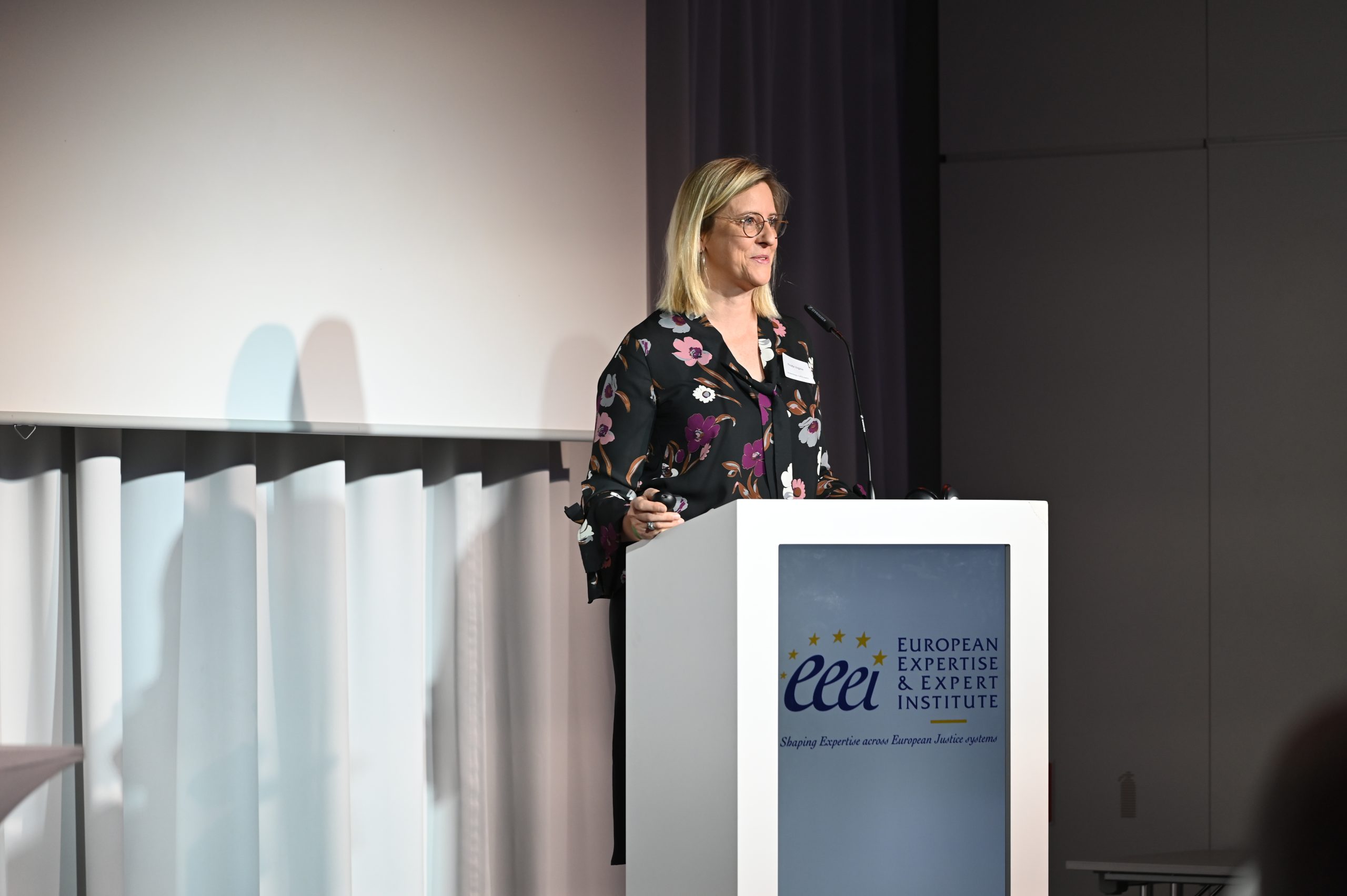 |
| Adrianao Palao, Technical Manager EURO NCAP, on EURO NCAP VISION2030 on the overview on active safety | 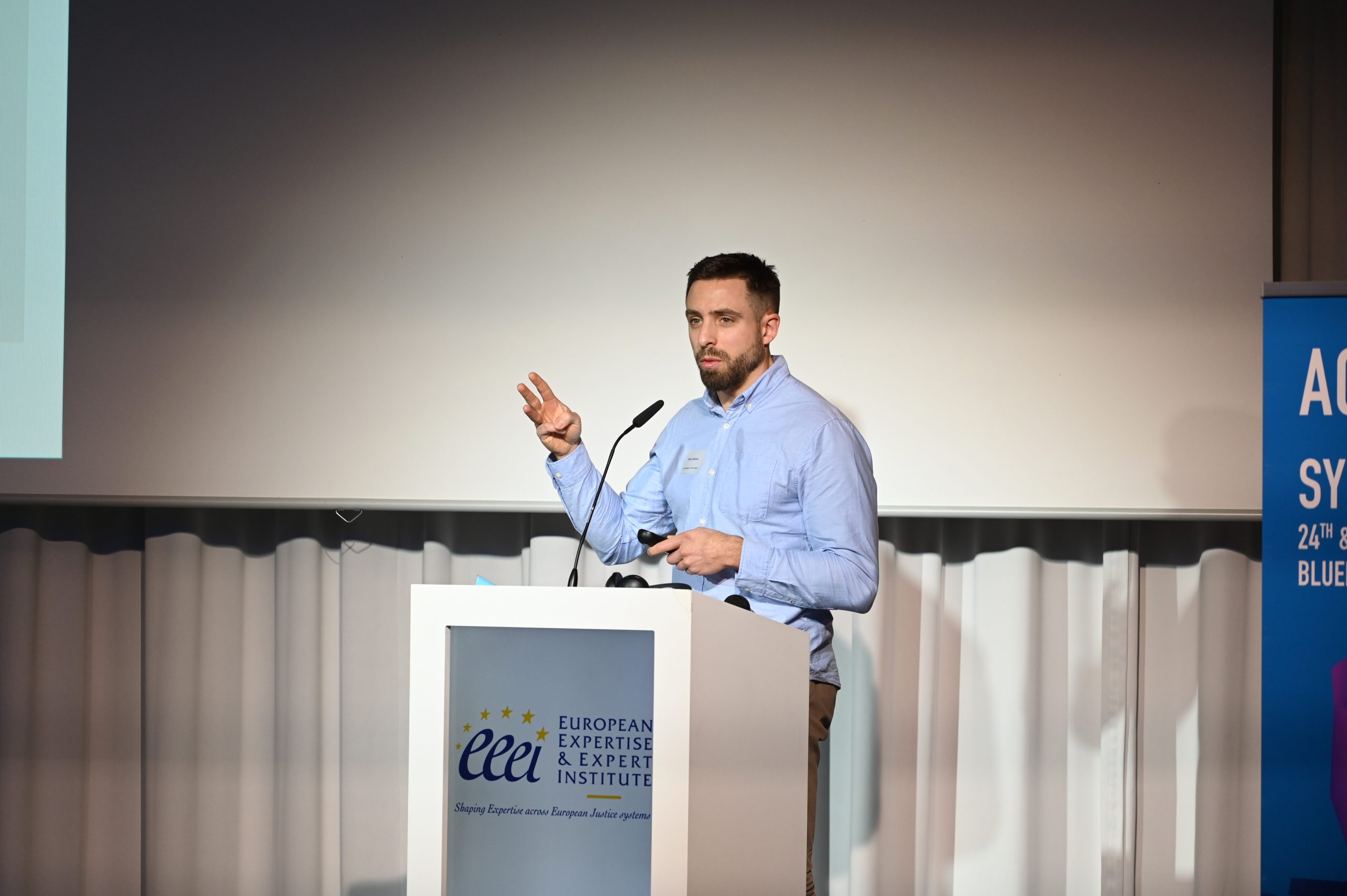 |
| Prof. Nicolas Verhaert and Dr. Benjamin Verhaert, ORL KUL on the ear-related trauma | 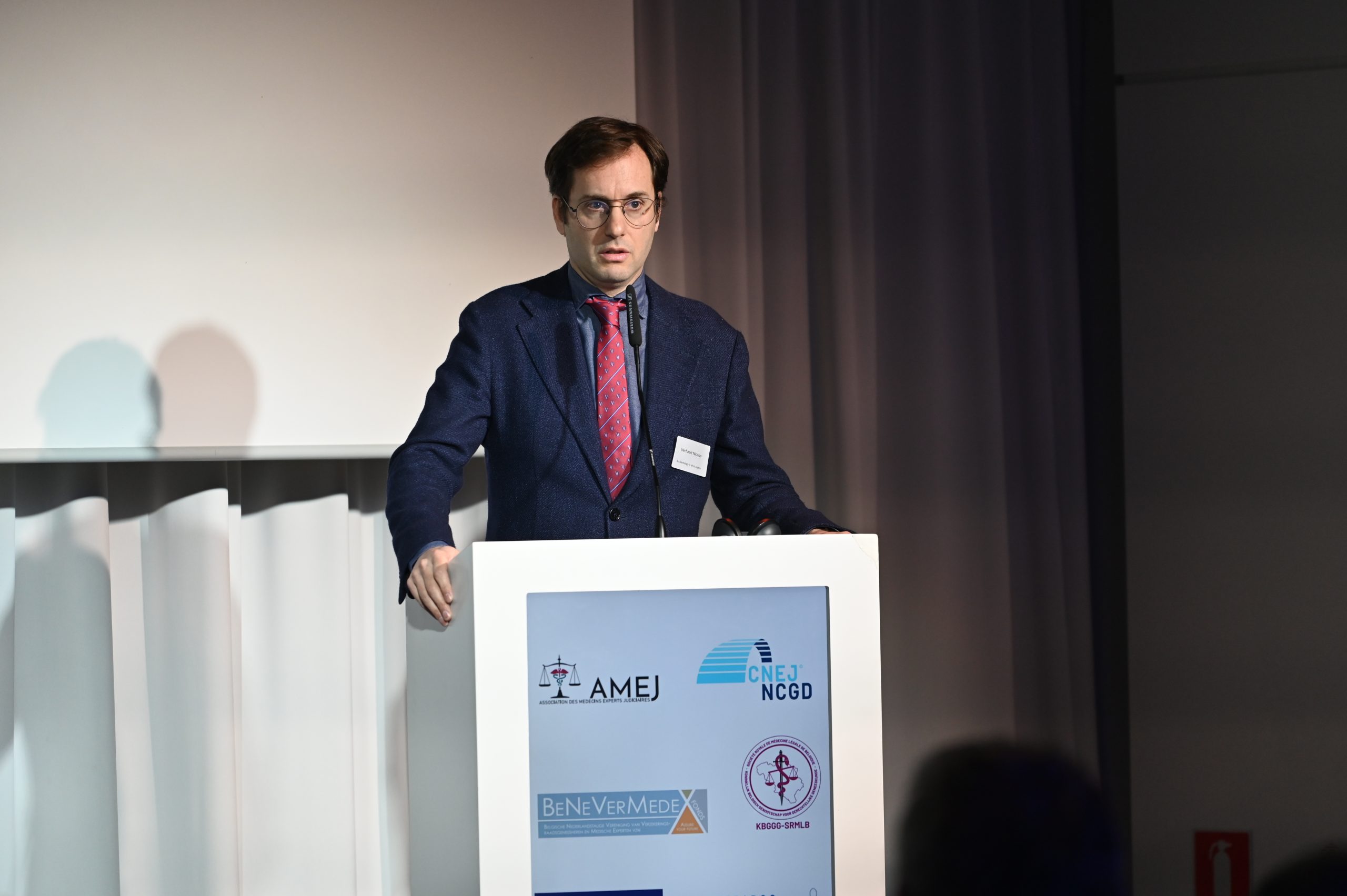 |
| Prof. Erik Debing, Head of Department Vascular Surgery UZBRUSSEL on the diagnosis and treatment of iatrogenic arterial injuries | 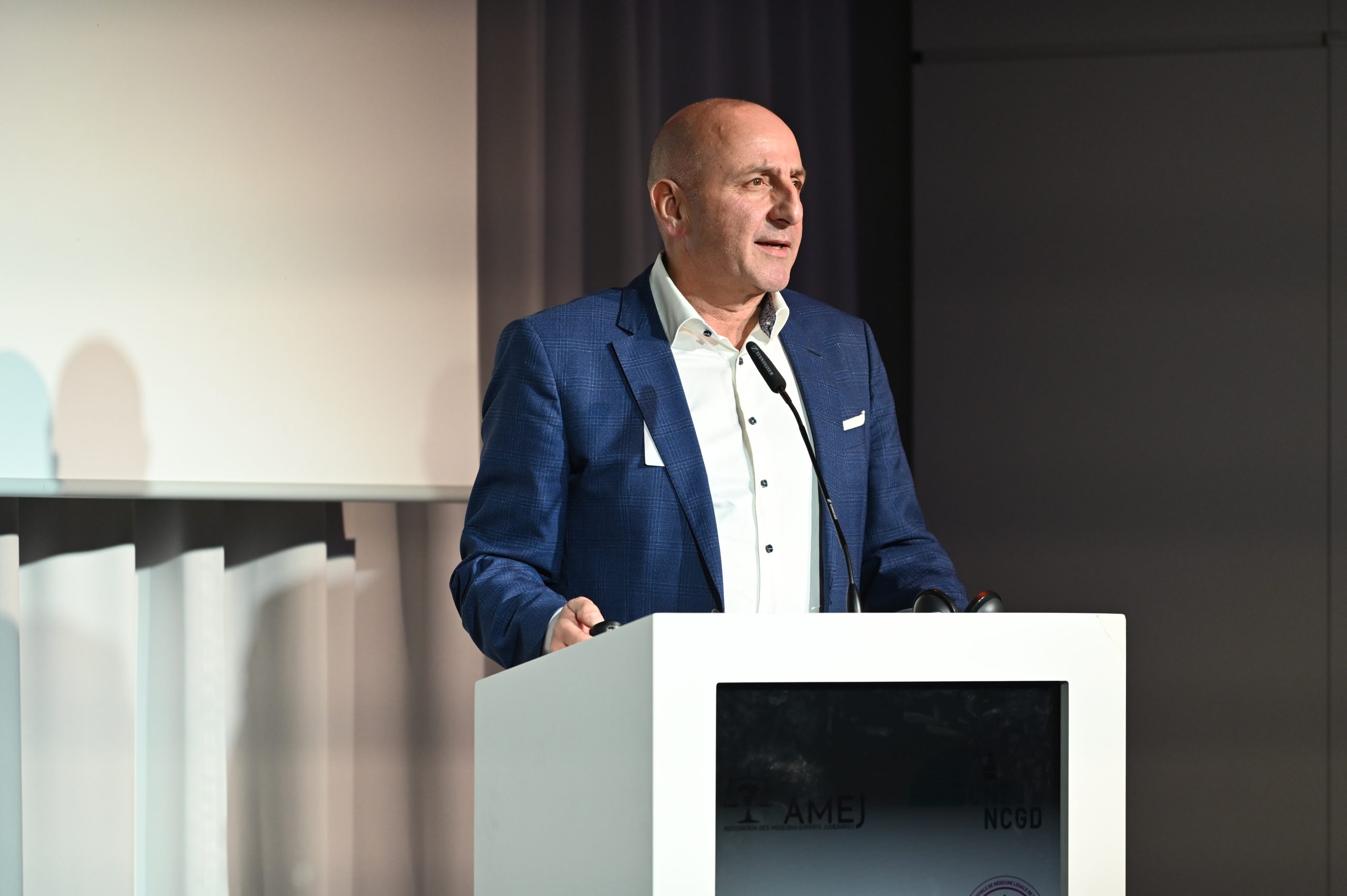 |
| Maud Lepez, member of the Paris Bar / Solicitor in England and Wales Partner – Pierre Thomas Law, practising in personal injury and cross-border litigation, on an overview of medical expertise in personal injury in France and England | 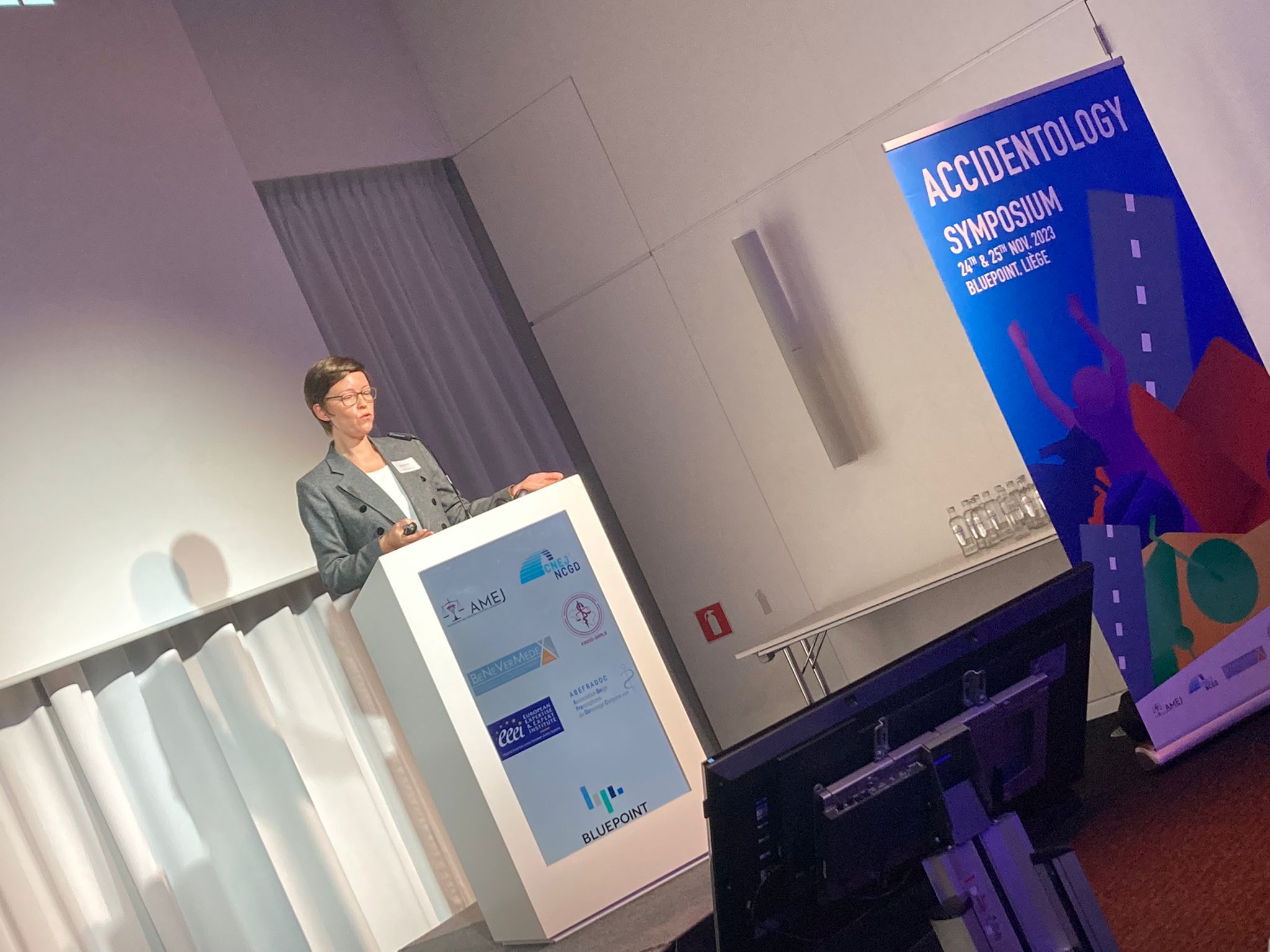 |
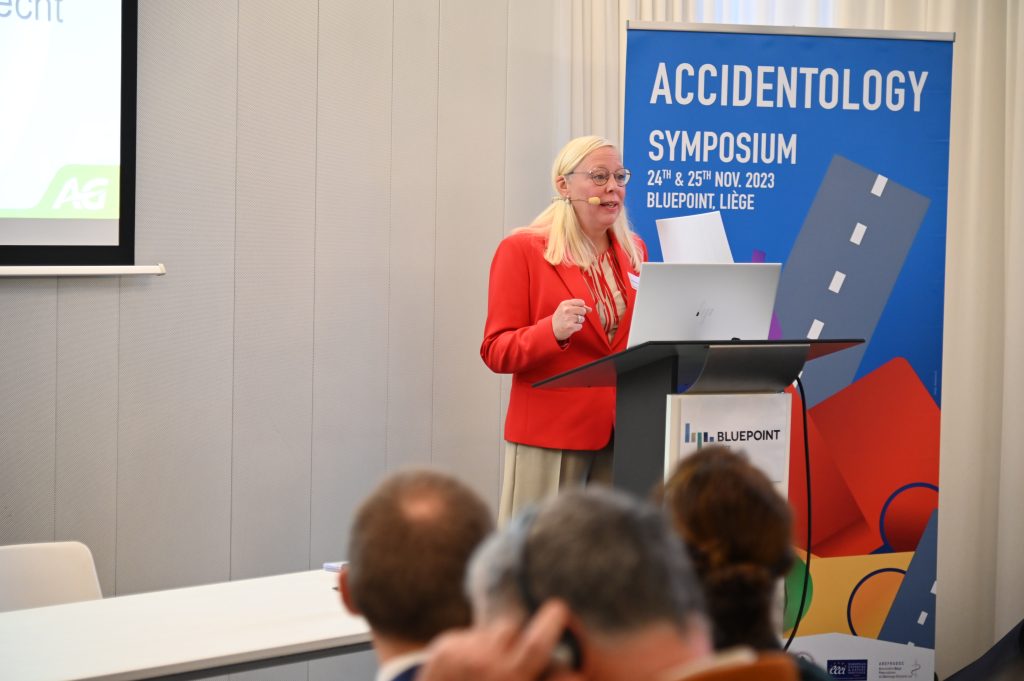
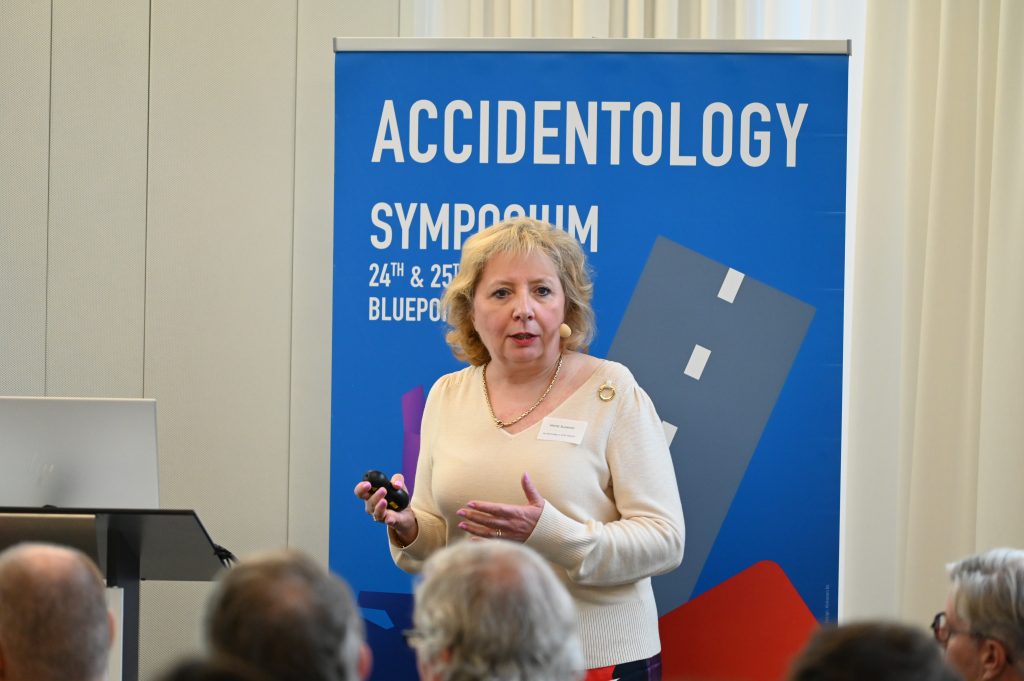
Thematic workshop on the medical advice officer: a key figure in the common law settlement process Leen PELSEMACKER – Manager Claims et Suzanne HENTZ – Groupleader RC/DC – AG
Insurance
The following speakers took the floor in the plenary hall on the afternoon of Friday 24 November:
| Jean-Raymond Lemaire,IT Expert and co-leader of the Find an Expert II project -European Expertise and Expert Institute – EEEI: towards European expertise | 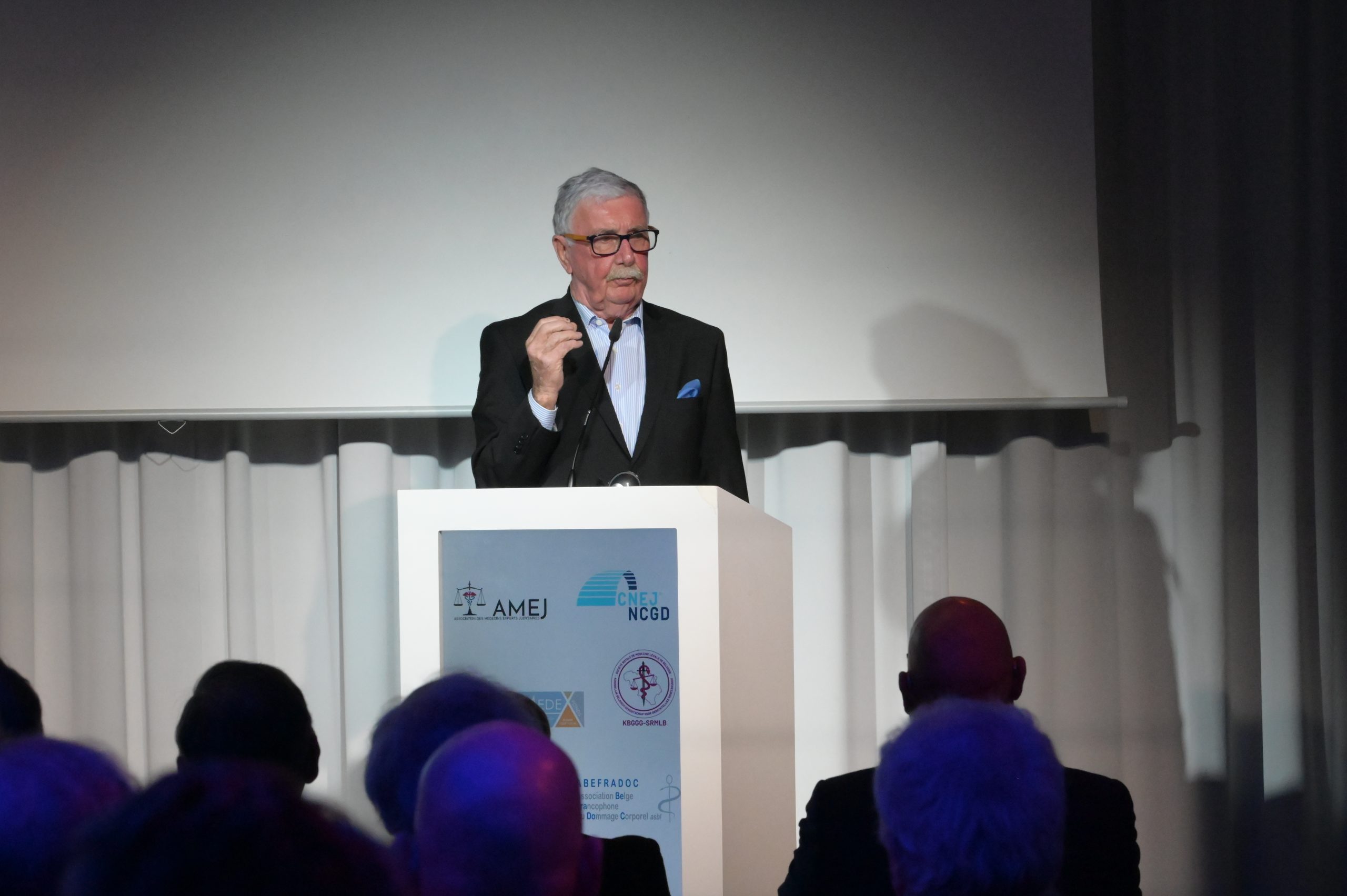 | |
| Gerlant Vanberlaer, Emergency paediatrician and member of the Belgian B-fast Team on the organisation of disaster medicine | 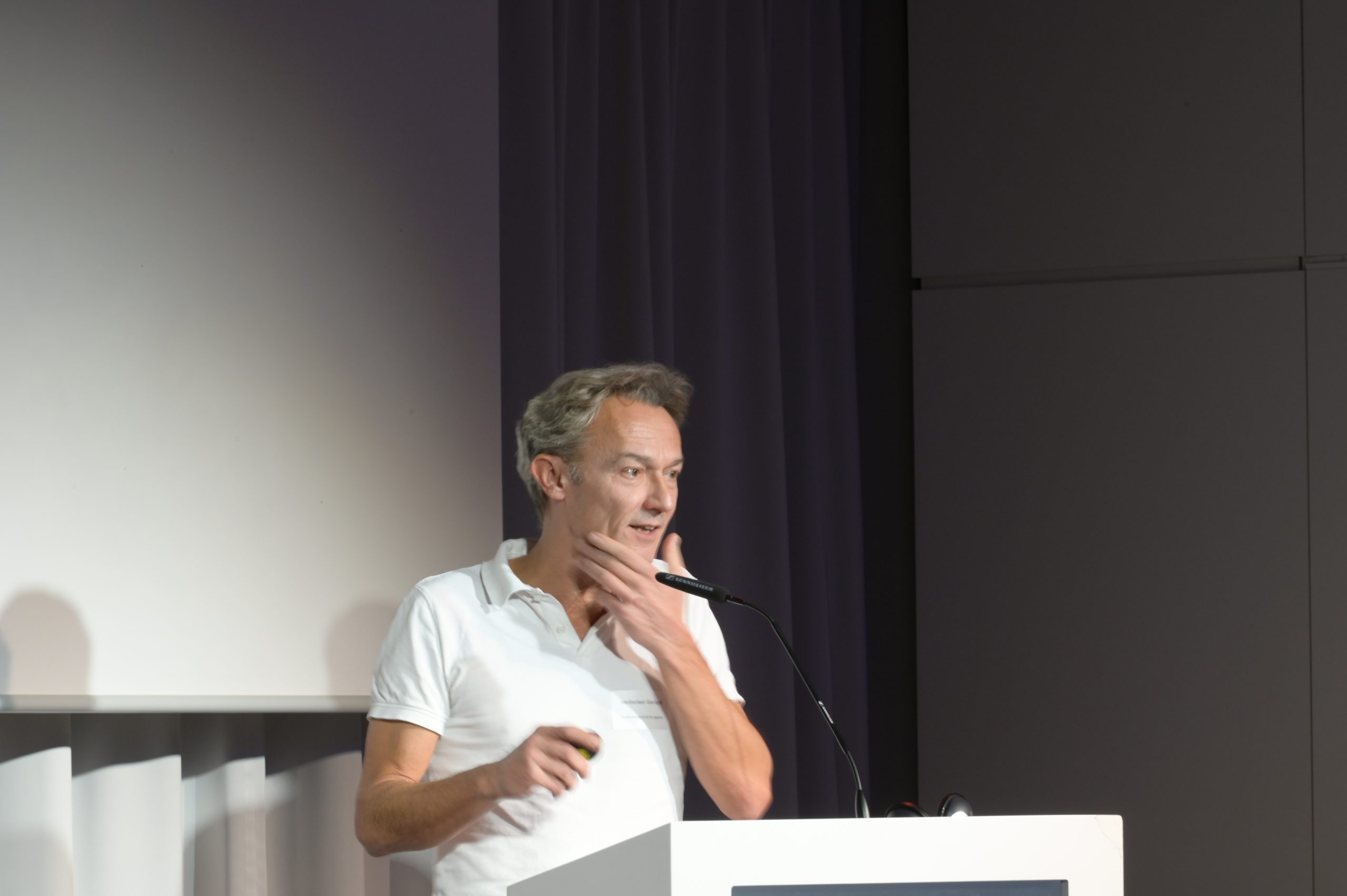 | |
| Jean-Paul Langendries, neonatology, on the traumatic accidents in the human perinate | 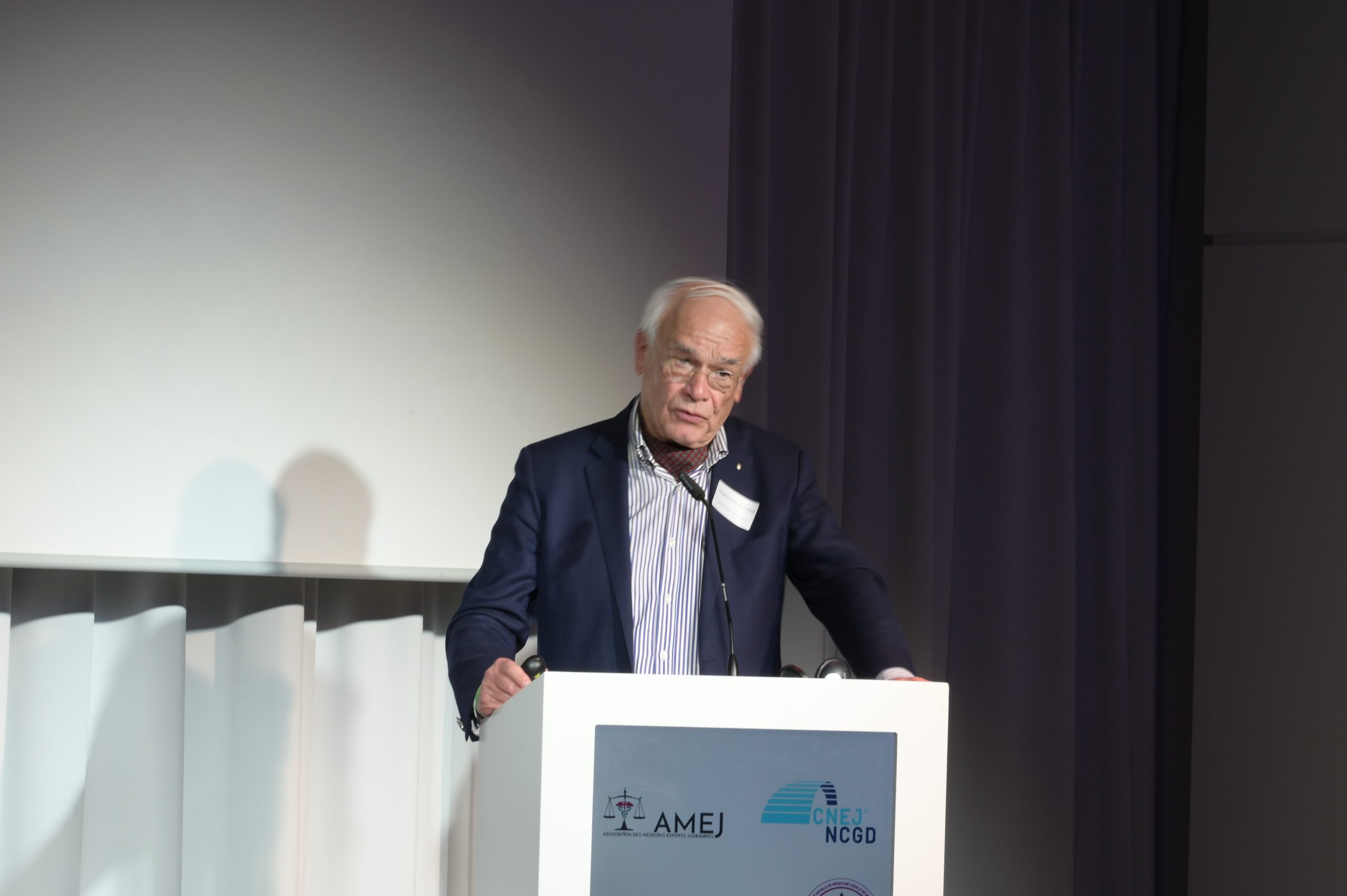 | |
| Pascal Rousseau, director Prorienta, on the professional rehabilitation for people unable to work |  | |
| Chris Dillen, Forensic psychiatrist, on the spost-traumatic stress syndrome | 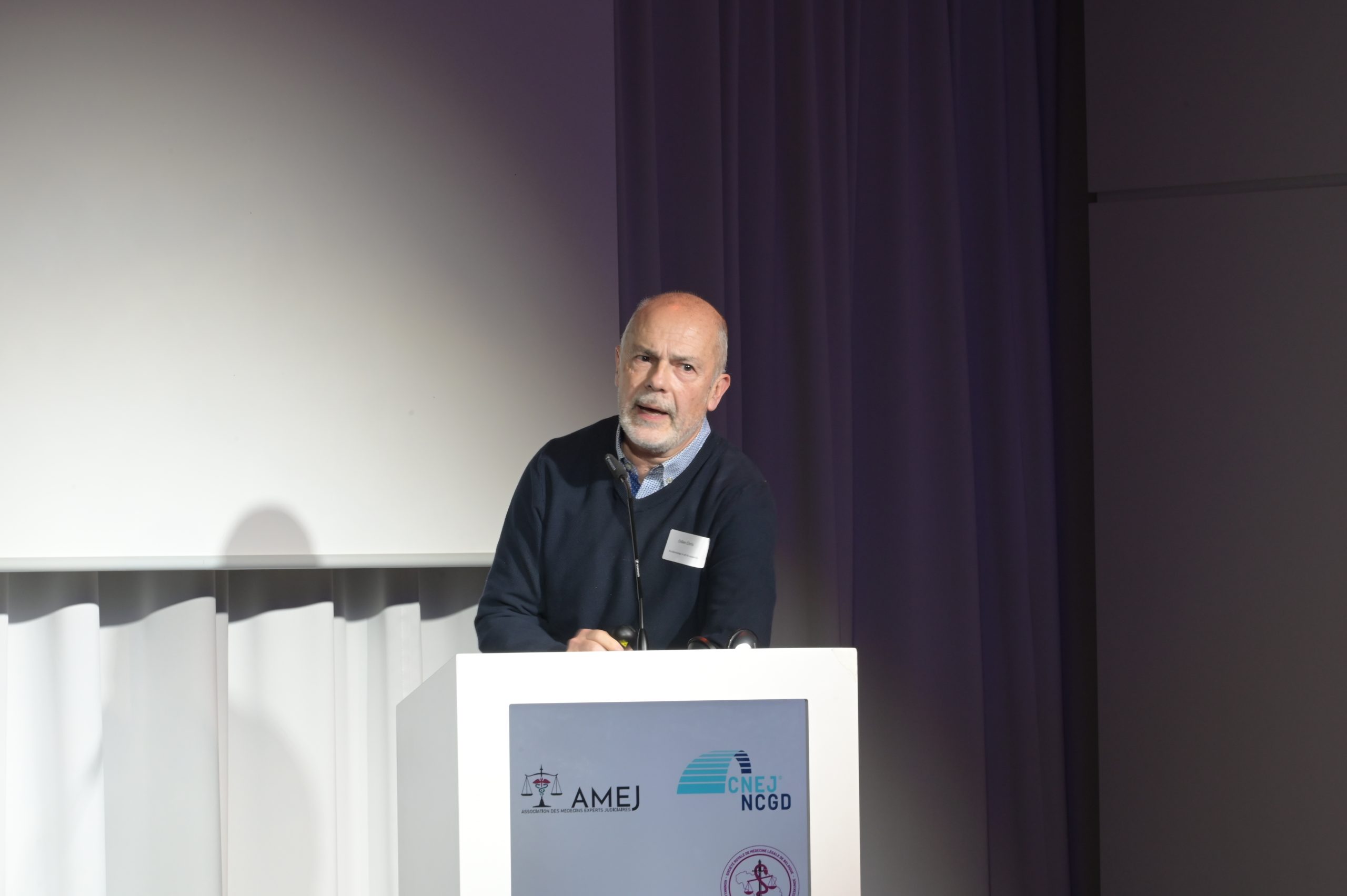 | |
| Roch Menes, Honorary legal expert, honorary president of the Cie Nationale des Médecins de Justice, surgeon, on the difficulties in evaluating aesthetic damage for facial injuries |  | |
| Quentin Alaluf, lawyer on the definition of a road traffic accident |  | |
| Prof. Philippe Boxho, Ordinary Professor at the University of Liège, Professor of Forensic Medicine, Criminalistics, Ethics and Expert Medicine, Déontologie, on the contribution of forensics to accidentology |  |
The following speakers took the floor in the plenary meeting room on the afternoon of Friday 24 November:
| Serge Mottiaux, deputy Public Prosecutor for the Namur Public Prosecutor’s Office, on the evidence in criminal matters: applications to cases of alcohol, drug and narcotic intoxication. what are the magistrate’s expectations? |  | |
| Ignace Lenders, Civil Engineer Mechanics – International Private Pilot, on the lheavy traffic accident – how to proceed? |  | |
| Sarah Wille, Forensic toxicology expert for the National Institute of Criminalistics and Criminology (INCC/NICC) on the toxicological analysis for the detection of impaired drivers and their follow-up |  | |
| Julie Smets, Physician-specialist in training in forensic medicine, on the elucidating the diverse causes of death in traffic accident victims: a navigating the complex landscape of forensic medicine, continually striving to unravel the mysteries and complex nuances that define this field |  | |
| Franck Duchatelet, commissioner – Belgium Federal road Police, on the observation of a traffic accident on the motorway from a to z: from the telephone call to the recording of the road accident at the site |  |
The following speakers took the stage in the plenary meeting room on Saturday 25 November morning:
| Olivier Quisquater, commissioner Belgium federal police, on the statistics and road safety |  | |||
| Geoffrey Vandeputte, Orthopaedic surgeon on the professional reintegration after spinal cord injury, a personal experience | 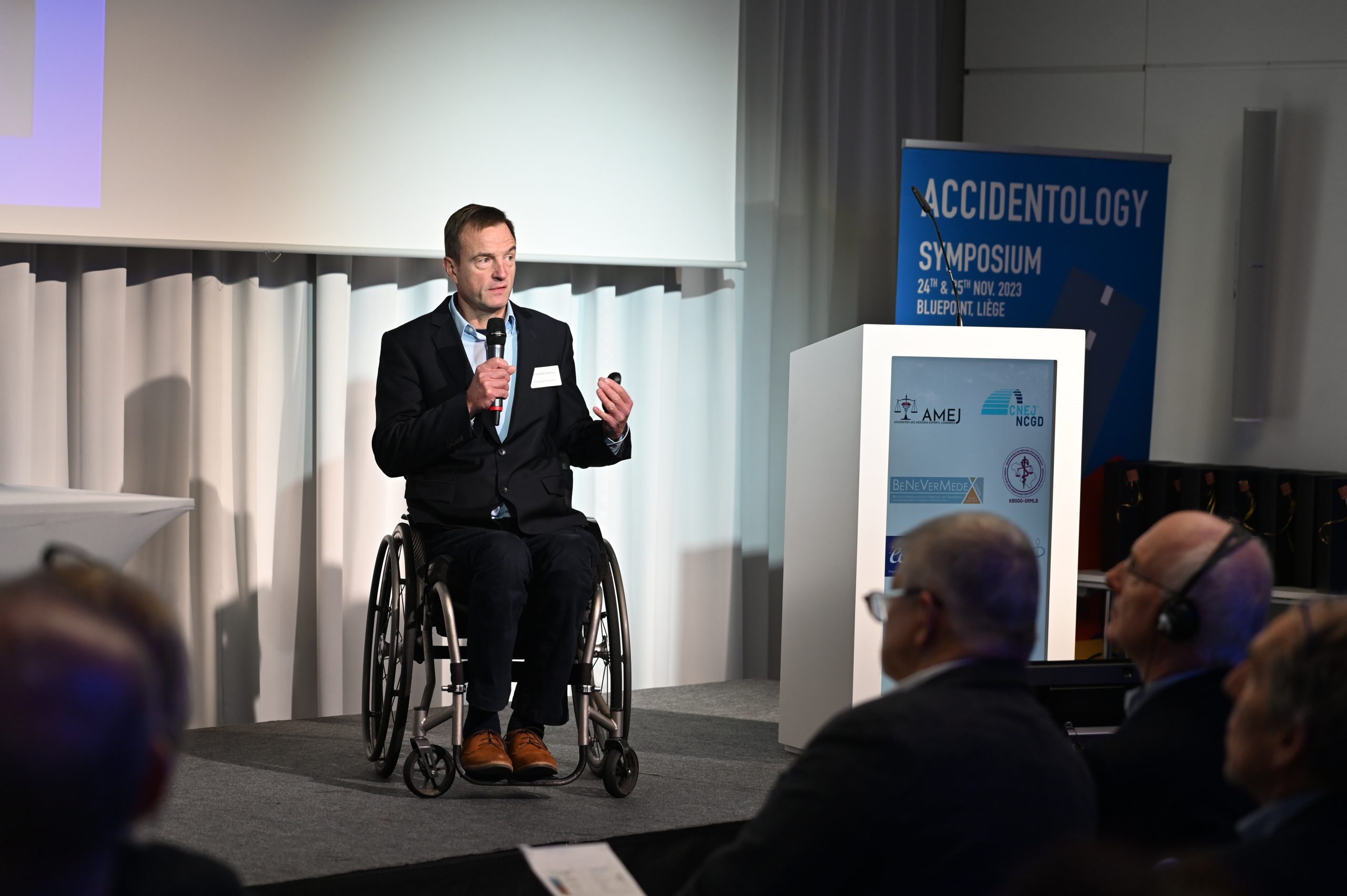 | |||
| Jean-Michel Crielaard, professor at the University of Liège-motor sciences, on the post-traumatic “somatoform disorders” |  | |||
| Dirk Michielsen, head of Urology UZBrussel, on the road traffic injuries: more than bones |  | |||
| Frédéric Noel, occupational therapist on the intervention of an occupational therapist during a home expertise mission |  | |||
| Patrick Papart, Psychiatry and medical psychology, on the mental disorders secondary to accidents | 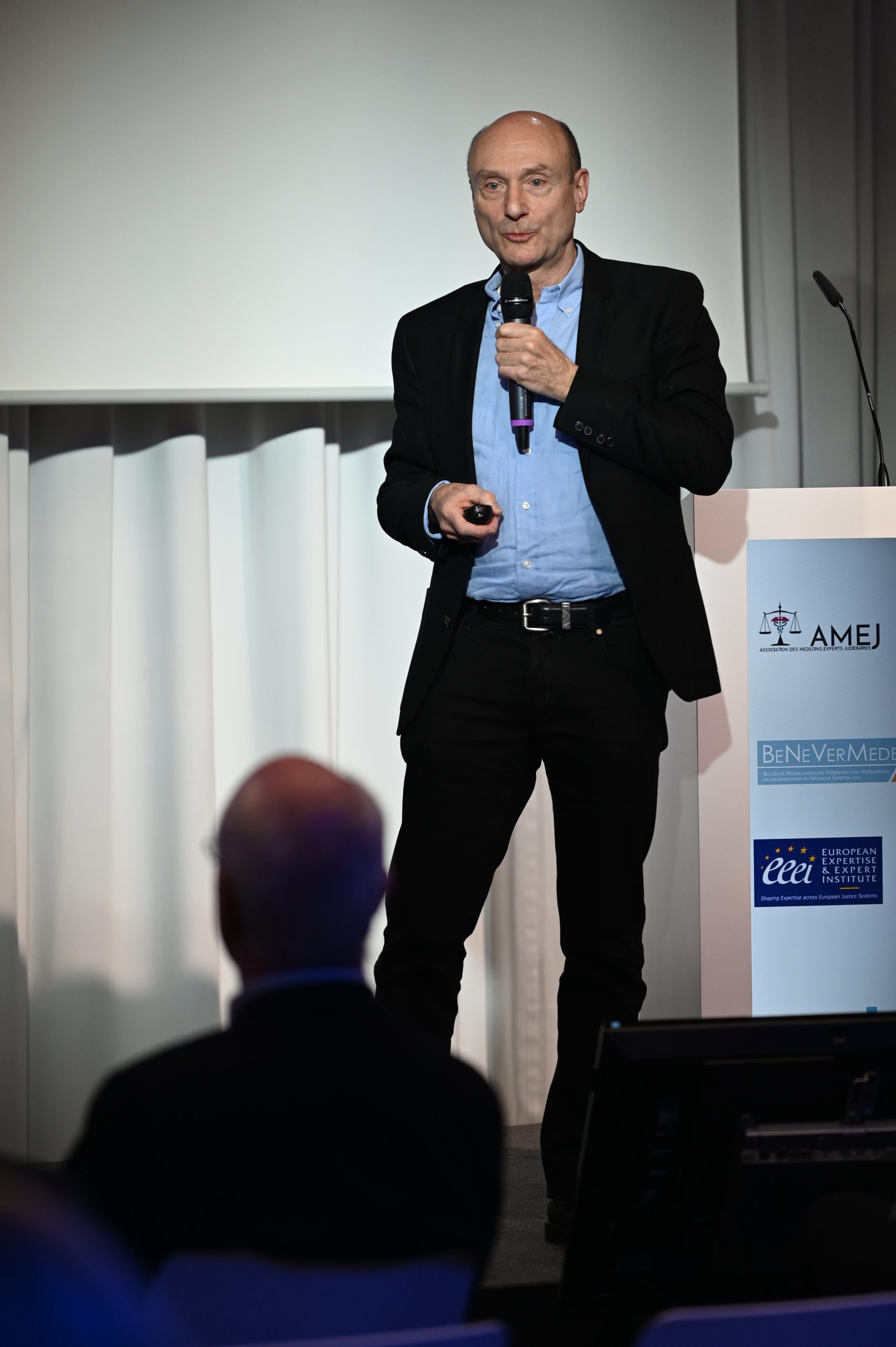 | |||
| Michel Natalis and Françoise Marquet, medicals advisors to neutral mutual insurers (Mutualia), on Article 136§2 and its impact on different accident-related legislation and the role of the mutual insurance company’s medical advisor and the practical aspects of managing sick leave | 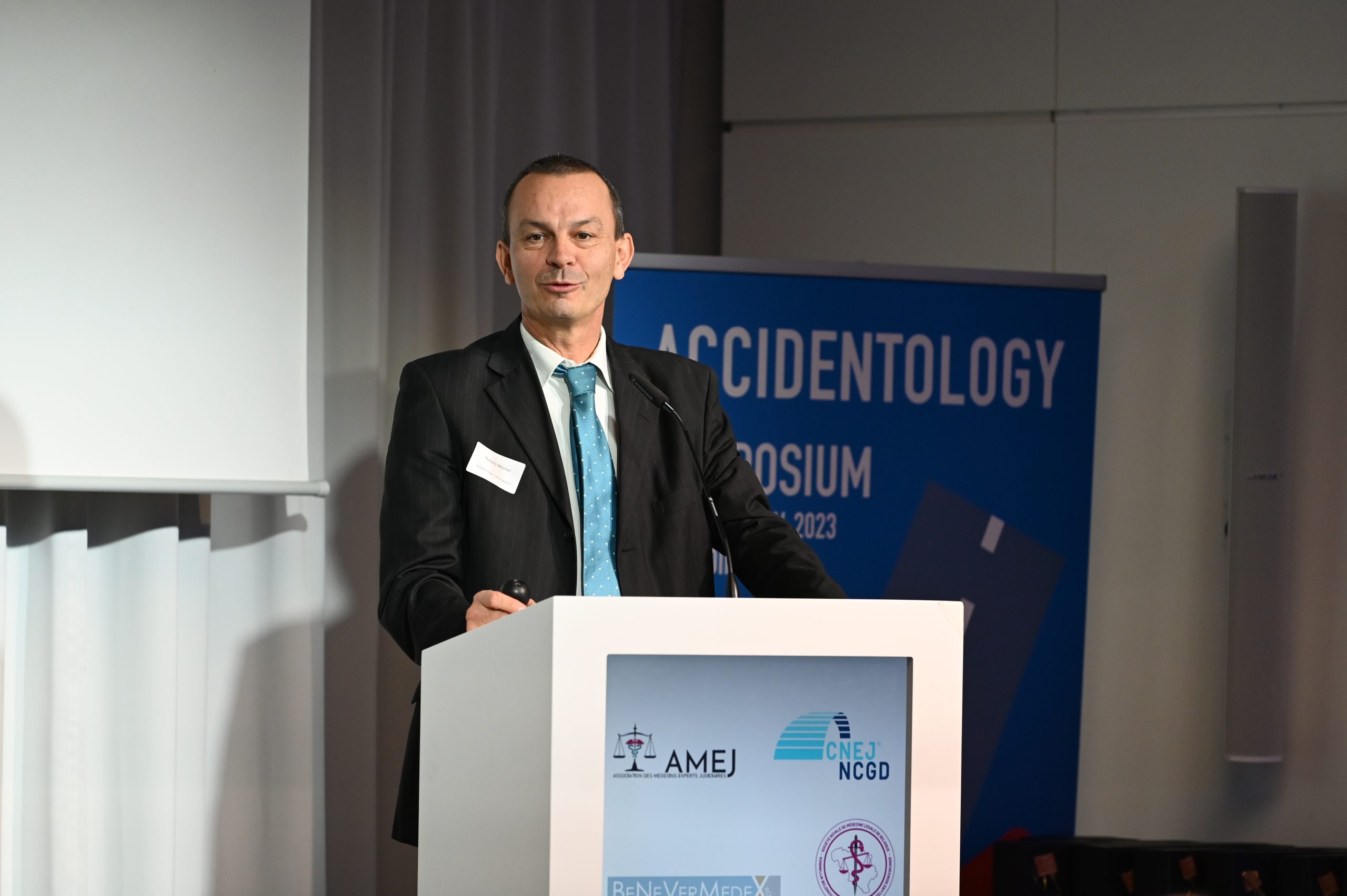 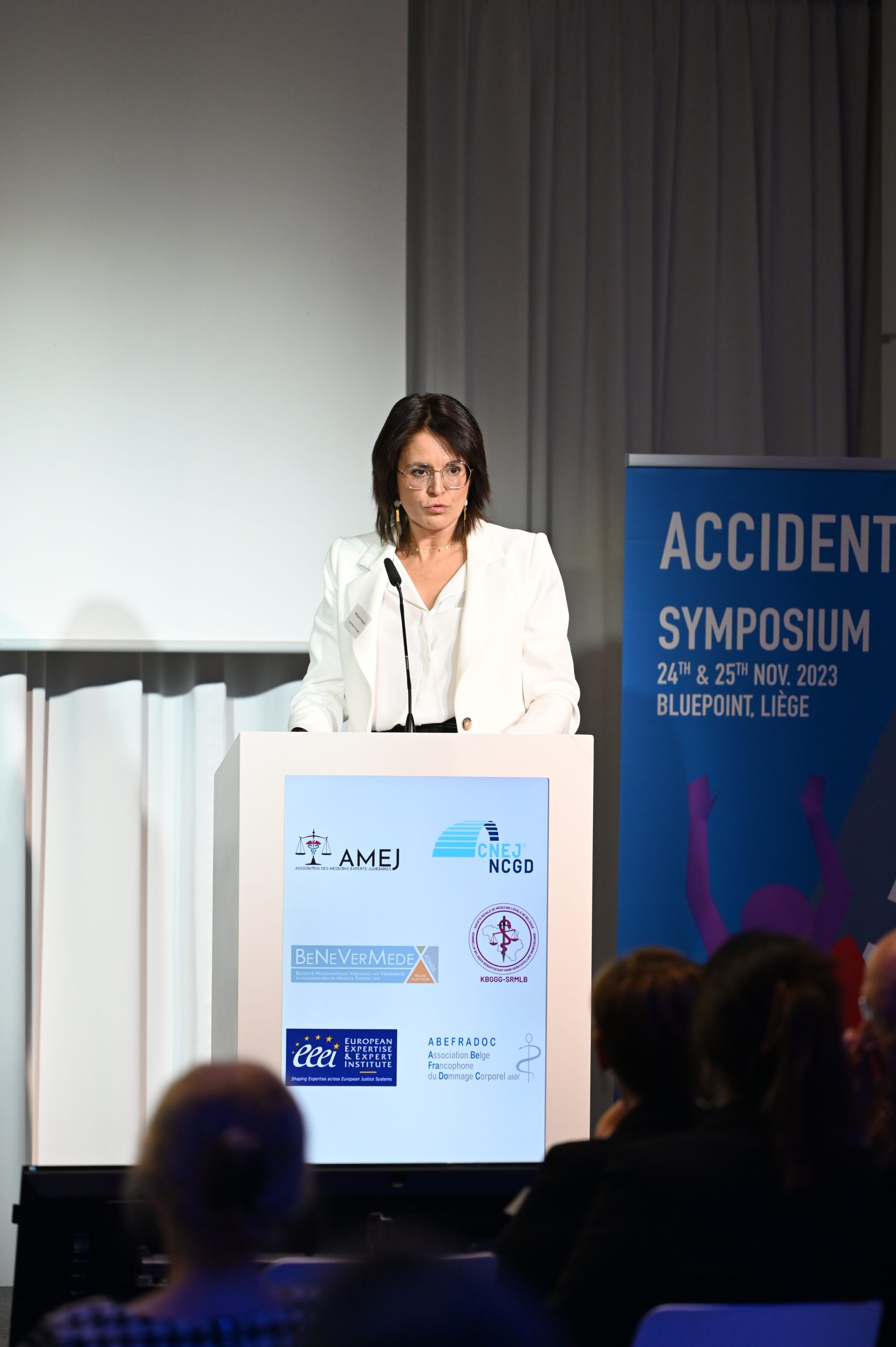 | |||
| Benoit Maertens de Noordhout, Neuro and functional rehabilitation center on the traumatic lower limb amputation. prosthetic devices in 2023 and future prospects | 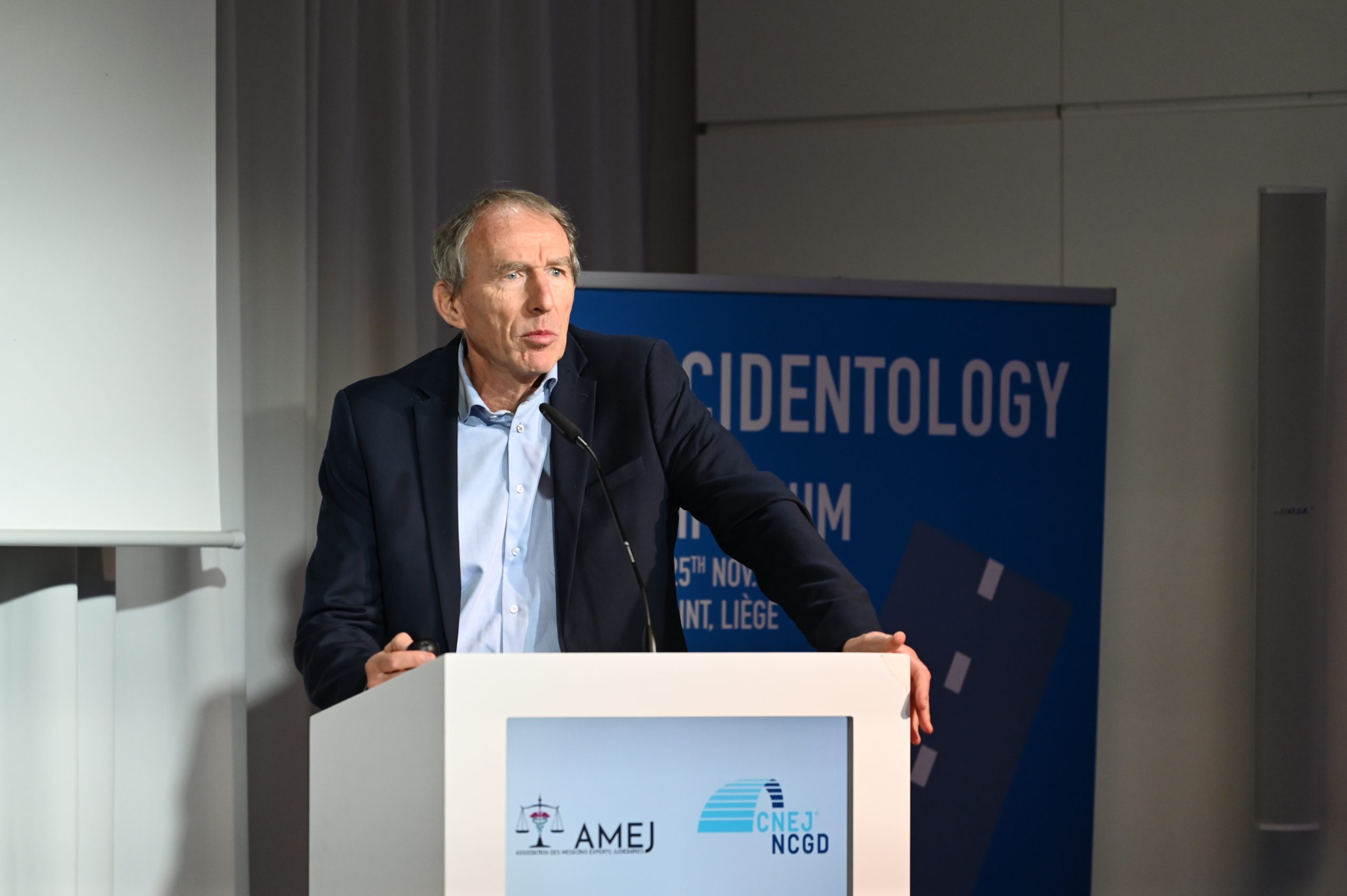 |



 Français