



On 21 October 2025, Venice hosted the final conference of the VR-DigiJust project and the Digital Rights workshop, bringing together magistrates, lawyers and experts to explore the challenges and opportunities of digital justice. The first day highlighted the impact of artificial intelligence (AI) and virtual reality (VR) on judicial training and cross-border cooperation.
Background and objectives
VR-DigiJust is a co-funded European project that aims to transform criminal justice through digitalisation and innovative training methods. Its ambition is to integrate artificial intelligence (AI) and virtual reality (VR) into the training of legal professionals in order to strengthen cross-border cooperation and improve the management of digital evidence.
As a reminder, this project is based on the creation of a virtual judicial academy, offering immersive environments, multilingual avatars and a certified library powered by official sources. The aim is to prepare magistrates, lawyers and other judicial actors for the challenges of digitalisation, while ensuring respect for fundamental rights and compliance with European standards, in particular the future e-evidence regulation and the AI Act.
A look back at the day of 21 October 2025
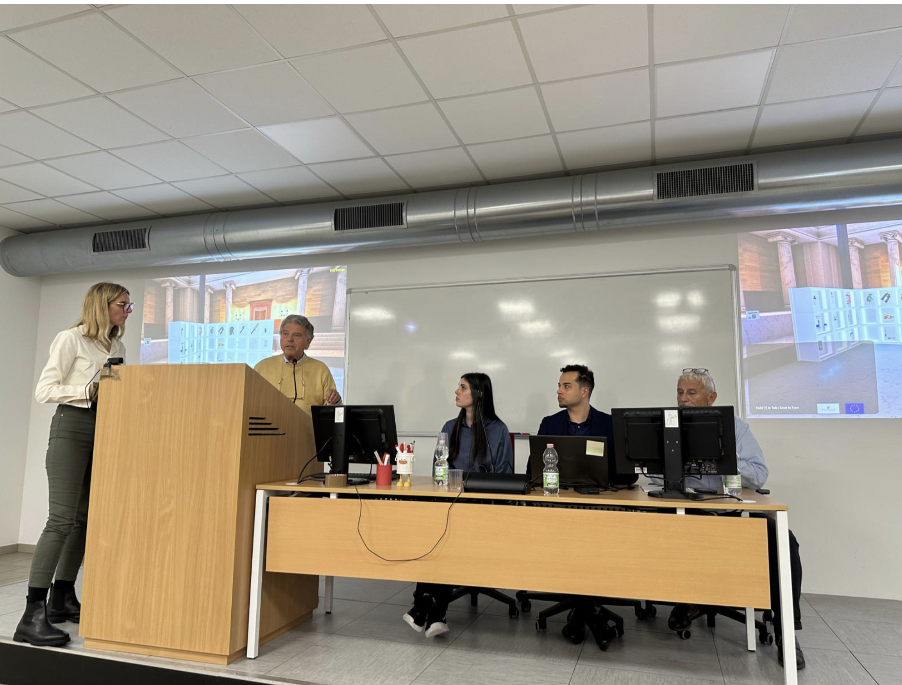
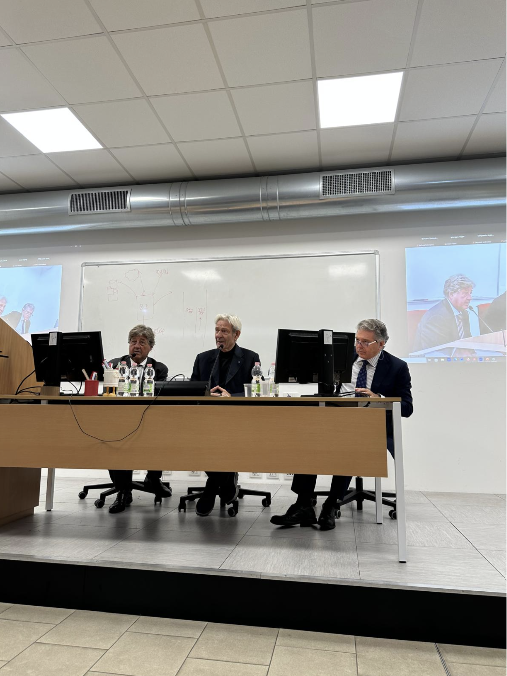
The conference opened with remarks by Rita Rigoni, Acting President of the Venice Court of Appeal. She emphasised the importance of European cooperation in building a digital justice system that remains faithful to fundamental rights. This message set the tone for the discussions: innovate without compromising essential principles.
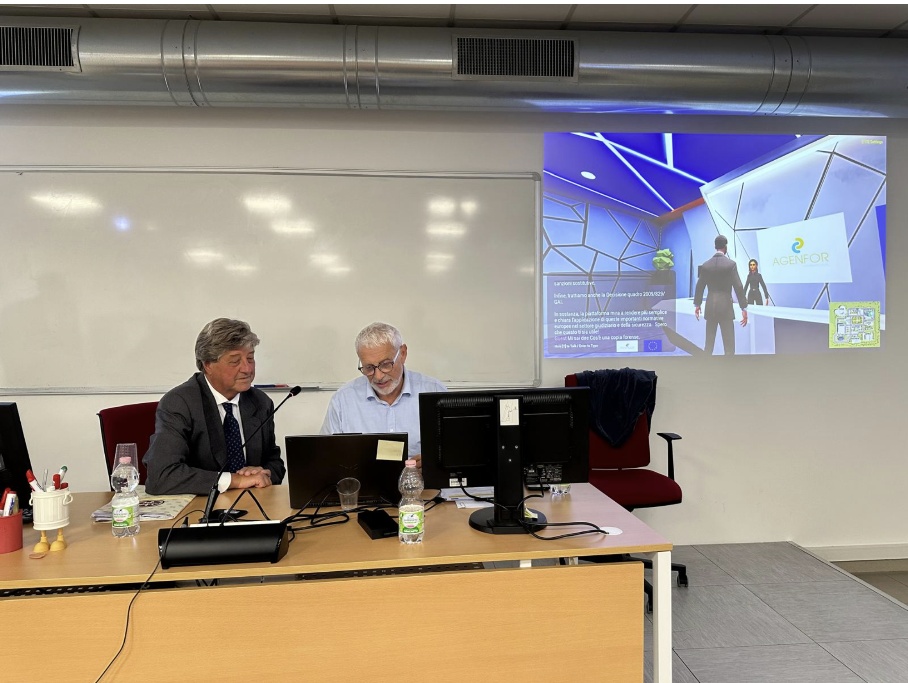
Sergio Bianchi, Director, and Beatrice Maccarini, Project Manager at the Agenfor International Foundation, then presented the VR-DigiJust and Digital Rights projects. These European initiatives aim to support the digital transformation of judicial systems, with a focus on training professionals and protecting rights in a rapidly evolving technological environment.
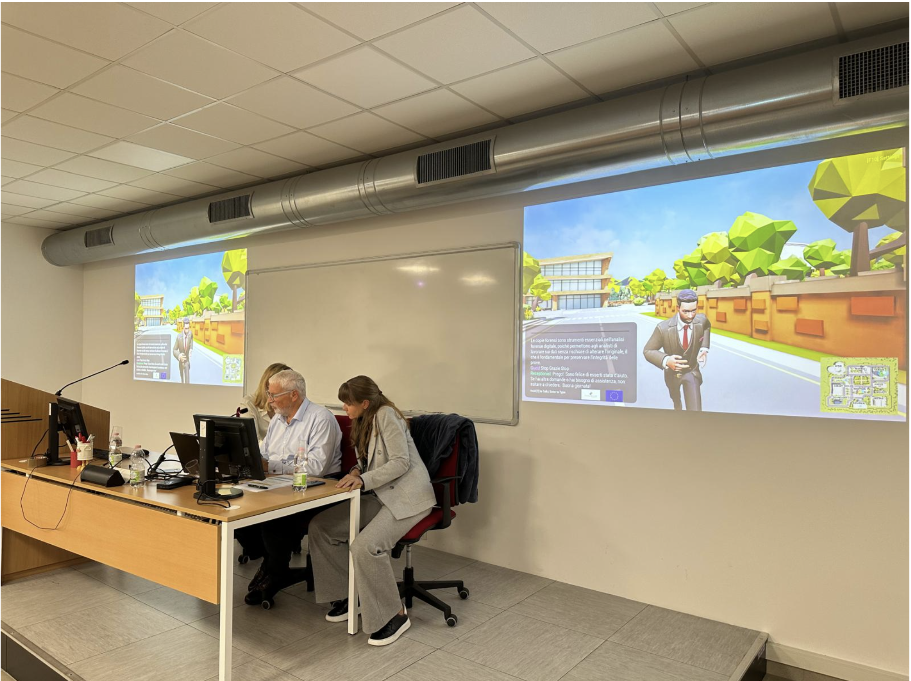
A highlight of the day was the session devoted to the application of artificial intelligence (AI) and virtual reality (VR) to judicial training. Sergio Bianchi unveiled the first European Virtual Judicial Academy, an immersive platform that is revolutionising the training of magistrates and practitioners. Thanks to interactive environments and multilingual avatars, this solution makes it possible to simulate complex situations, access certified resources and receive real-time assistance. The objective is clear: to offer innovative training tailored to the challenges of digital justice, while ensuring the reliability of content and respect for fundamental rights.
The afternoon practical workshop focused on the use of the European Virtual Judicial Academy, developed as part of the VR-DigiJust project. For nearly two hours, participants worked on managing the collection and transfer of digital evidence in cross-border proceedings, based on a real European Investigation Order (EIO). This immersive exercise tested the platform’s functionalities, including the simulation of complex operations and data traceability, while complying with European procedural requirements.
Under the leadership of Pietro Suchan, former Eurojust magistrate and anti-Mafia prosecutor, discussions focused on the challenges of judicial cooperation in a digital context.
The workshop highlighted the importance of mastering technological tools to ensure the reliability of evidence and anticipate future regulatory changes. This practical approach illustrates VR-DigiJust’s mission: to prepare legal professionals to work effectively in a digitalised and secure environment.
Images gallery
The European consortium




 Français