



Presentation
Who are you?
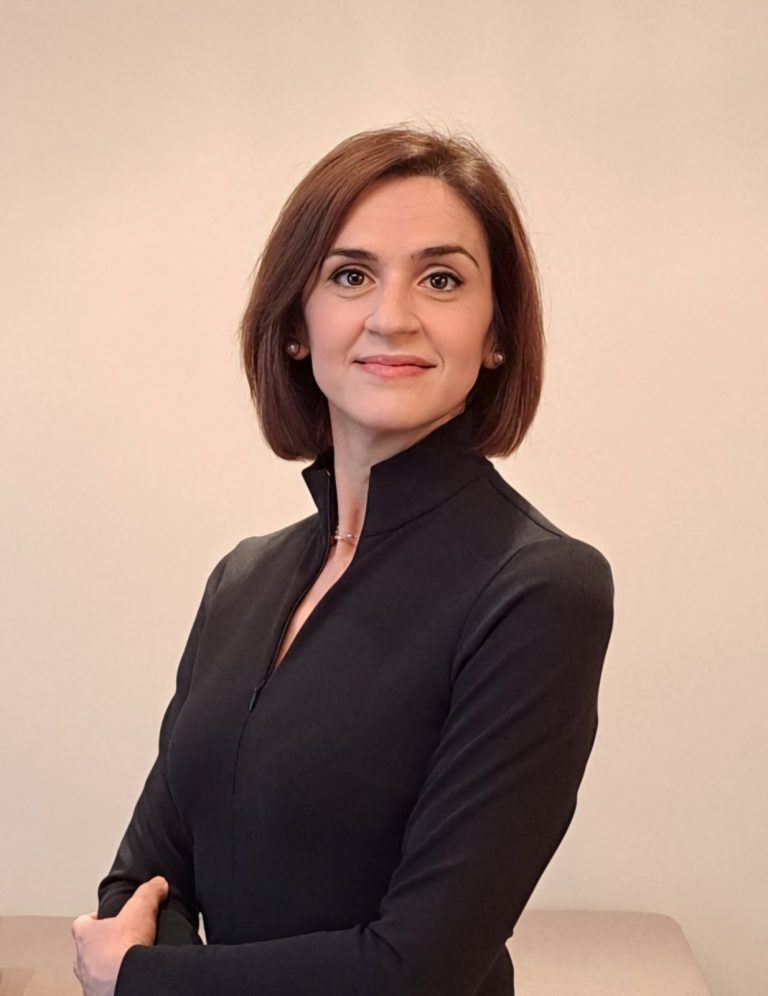
Dr. Tatjana Zoroska Kamilovska is a Full Professor of Civil Procedural Law at Ss. Cyril and Methodius University in Skopje, Faculty of Law “Iustinianus Primus” where she teaches Civil Procedural, Arbitration, Alternative Dispute Resolution and Cross-border Civil Proceedings in EU. She is a Head of the Civil Procedure Department and a Head of the Council of Doctoral Studies in Civil law (both substantive and procedural) at the Faculty of law “Iustinianus Primus” in Skopje. Dr. Zoroska Kamilovska is a Member of the University Senate (2023/2026). Prof. Zoroska Kamilovska was a Visiting Researcher at the Max Planck Institute in Luxembourg for International, European and Regulatory Procedural Law, a Visiting Professor at the University of Pavia, Italy and a Visiting Professor at the Jagiellonian University in Krakow, Poland.
Prof. Zoroska Kamilovska was a Board Member of the Higher Education Accreditation and Evaluation Board of Republic of North Macedonia for the period 2017- 2020. She was a Vice-president of the Permanent Court of Arbitration attached to the Economic Chamber of Macedonia for the period 2016-2022, and the member of the Presidency of the same Court of Arbitration for the period 2011-2016. She serves as an arbitrator (both domestic and international arbitration) acting under various institutional and ad hoc arbitration and rules. She is also: Member of International Association of Procedural Law, Member of ArbitralWomen; Honorary member of the Chamber of Mediators of the Republic of North Macedonia; Member of various working groups and committees for preparing the laws in the field of civil procedure and dispute resolution and Member of the Editorial Board of several journals in both North Macedonia and abroad. Prof. Zoroska Kamilovska is an author/coauthor of seven books, four monographs and more than 80 scientific papers. She has been a leader or participant in many scientific projects, and a speaker in numerous international and domestic conferences, seminars and workshops.
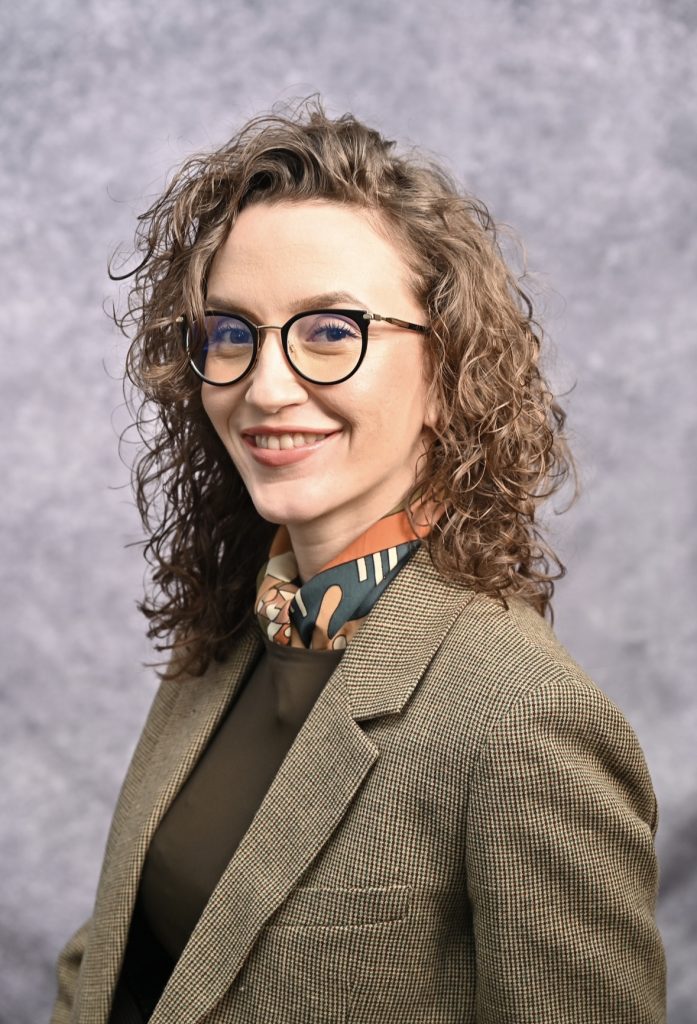
Tea Micevska, LLM, is an Assistant at the “Iustinianus Primus” Faculty of Law, Ss. Cyril and Methodius University in Skopje, at the Department of Civil Procedural Law. She is involved in the teaching activities within the Department of Civil Procedural Law. She holds a Bachelor’s and Master’s degree in Civil Substantive and Procedural Law from Ss. Cyril and Methodius University in Skopje and is currently pursuing a PhD in Civil Procedural Law at the same university. Her doctoral research focuses on illegally obtained evidence in civil proceedings. As part of her academic development, she completed doctoral research stays at the University of Maribor and the University of Cambridge.
She has been the author and co-author of a total of seven published academic papers and has actively participated in several national and international research projects, conferences, and workshops. Tea Micevska currently serves as Secretary of the Institute for Civil Law and the Council of Doctoral Studies in Civil Law at the Faculty of Law “Iustinianus Primus”. During her studies, she was a student-member of the University Senate and a Student Ombudsman at Ss. Cyril and Methodius University in Skopje, demonstrating her commitment to academic integrity, student rights, and equality.
Questions on the article
Your article highlights a certain variability in the practice of Macedonian courts in admitting previous expert reports as evidence.
In your opinion, does this heterogeneity reflect an ongoing evolution in case law or a lack of consensus on the interpretation of procedural principles?
We would like to suggest that the variability in decisions signals an evolution in practice aimed at accepting the same expert report across different proceedings. However, the reality points to the opposite. Upon reviewing various court rulings and opinions from appellate courts, we could conclude that this variability actually reflects a lack of consensus, masked behind judges’ discretionary evaluation. All of this results in inconsistent judicial practice.
Some court decisions also appear to admit the use of previous expert reports as evidence, despite the absence of explicit textual basis. In your opinion, does this reflect pragmatic flexibility on the part of the judge or problematic legal uncertainty?
In our opinion, given that the use of the same expert report from another proceeding helps reduce costs and expedite the process, it definitely reflects pragmatic flexibility on the part of the judge. While it is true that the absence of an explicit legal provision may, in principle, pose a risk of legal uncertainty, considering the benefits of reusing expert reports – and the fact that it does not undermine the principles of directness and adversarial procedure – this represents a pragmatic approach that judges should increasingly apply. The right to a fair trial is a core principle in civil procedure, so we are careful when suggesting any new practice that could potentially affect it. However, reusing the same expert report from another case does not violate this principle – as long as certain minimum conditions are met. According to our law, the court decides which witnesses and experts will be called to the main hearing and which other evidence will be obtained. So, whether the expert report is new or from a previous case, the court can decide not to summon the expert without breaking the principle of immediacy. What really matters is that the judge has initial contact with the expert report, no matter if it was prepared in the current or an earlier proceeding. The best protection for the principle of immediacy is the judge’s ability to call the expert to explain their findings and opinion. This ensures the principle is respected. When it comes to the adversarial principle, it’s up to the parties to decide if they want to use an expert report that was already done, whether in civil or criminal proceedings. The possibility to exclude an expert acts as a safeguard to make sure the trial remains fair.
You mention examples of foreign legislation, such as in Germany and Poland. Which elements of these legal systems do you consider transferable or even desirable in the Macedonian context?
One particularly appealing provision from the German legislation states that ,,the preparation of a written report may be forgone if an expert report can be used that has been obtained by the court or the public prosecution office in other court proceedings.” This provision encourages the reuse of expert reports in civil proceedings, including those previously prepared in other civil or even criminal cases. We find this particularly appealing, as it promotes efficiency, consistency and judicial economy. Such an approach could be easily applied in Macedonian legislation, as it aligns with anticipated future developments, directed toward strengthening the role of the court in civil procedure.
Do you think that the reuse of expert evidence could help to make justice more accessible, particularly in cases involving economically vulnerable litigants? Would there be a risk of inequity?
One of the strongest arguments in favour of reusing expert evidence from other proceedings is the reduction of financial burden on the parties. The research cited in the paper shows that at a time when the minimum net salary in North Macedonia was approximately 235 euros, the costs of expert reports ranged from 50 to 320 euros, while the costs for super-expertise reached as high as 730 euros. These are significant amounts, particularly when compared to the standard of living of an average Macedonian citizen who may be involved in civil proceedings. In any case, relying on already-used expert evidence would result in lower overall costs of the proceedings and would spare the parties from having to pay twice for the establishment of facts that have already been subject to expert evaluation. Therefore, we believe that the reuse of expert evidence would not pose a risk of inequity. On the contrary, it would facilitate access to justice, especially for economically vulnerable litigants, without compromising the fundamental principles of civil procedure.
Do you think that the reuse of expert evidence could lead to more comprehensive expert opinions – with the expert’s remit being defined very broadly to ensure reuse in multiple proceedings?
We believe that there should be no changes to the scope or content of expert reports. The idea behind the reuse of expert evidence is to apply it only where it is realistically possible – not at any cost, but rather when the facts of the case allow for it. For example, an expert report from a criminal proceeding involving a traffic accident could later be used in a civil case for compensation. However, this does not mean that experts should be expected to produce broader or more comprehensive reports in anticipation of possible reuse in other proceedings, nor should they assume or pre-empt questions that may arise in a different context. In short, the potential for reuse should not influence how expert reports are prepared, rather, their reuse should be considered only when it is appropriate and relevant to the facts of the new case.
You mention disparities between civil and criminal proceedings with regard to the role of the expert and the rights of the parties. In your opinion, should these differences lead to harmonization of the rules governing expert evidence, or should their respective autonomy be preserved?
In our opinion, the current differences in how expert evidence is regulated in criminal and civil proceedings should not, in themselves, prevent the reuse of an expert report. This is due to the fact that its core function as a means of proof remains unchanged and it is ultimately up to the court to assess its probative value. The reuse of expert evidence should depend on the parties’ discretion and the specific circumstances of the case, regardless of whether the report originated in a civil or criminal proceeding and regardless of whether it was commissioned by a judge, public prosecutor or one of the parties. Importantly, expert reports produced in civil proceedings should not be viewed as having lesser evidentiary value merely because they may have been ordered by a party. While we do not take a definitive stance on the application of such reuse within the criminal justice system, we see no fundamental reason (at least from the civil law perspective) why harmonization of certain rules on expert evidence could not be beneficial, especially where consistency and efficiency are in question. Moreover, upcoming reforms in Macedonian legislation are expected to enhance the role of the judge in civil proceedings, including the authority to order expert reports directly. This development would naturally contribute to harmonization of certain procedural aspects between civil and criminal cases, while still respecting the specificities and autonomy of each system.
Your article deals with the re-use of expertise. Can the reduction in costs and the limitation of the duration of the trial justify a partial waiver of the adversarial procedure?
Our view is that the adversarial procedure, as it is currently prescribed, would not be undermined by the reuse of expert evidence. Why? Because the parties will always have the final say on whether they would like to submit an already used expert report or request a new one. Our aim is to simply ensure that they have the freedom of choice. Given that the costs of the proceedings are typically borne by the losing party, it is in the interest of both parties to reduce expenses wherever possible. Therefore, even if we weigh the issue carefully, we would argue that the reduction of costs and the shortening of trial duration are compelling arguments in favor of accepting the reuse of expert evidence.
Could introducing an exception to adversarial procedure, in the acquisition of expertise, constitute a dangerous precedent in the future regulation applicable also to other evidence?
We believe that the reuse of expert evidence cannot be classified as an “exception to the adversarial procedure,” since it does not, in any way, restrict the parties’ opportunity to respond to the claims and arguments of the opposing party, which is at the core of the principle of hearing the parties. Moreover, the parties will still have the opportunity to question the expert, thereby protecting both the principle of hearing the parties and the principle of immediacy. Therefore, we do not see the reuse of expert evidence as posing a risk – neither in relation to expert reports nor to other types of evidence. Furthermore, the same witnesses can be called or the judge can review the case files from previous proceedings, which is already a common practice for examining previously submitted evidence. Overall, this does not jeopardize the fundamental principles of civil procedure, since the court retains the discretion to freely evaluate evidence and assign it probative value.
In the civil and criminal process, where expert opinions are systematically reused, do you think there is a risk of not taking into account scientific and technological developments? Would there be a risk of not updating the subject on the basis of the latest findings?
The main purpose of reusing expert evidence in different proceedings is to apply reports in disputes that are nonetheless interconnected – where some of the facts constituting the factual background are similar, thus creating room to use the same expert report. Of course, in a new proceeding, the court may assign a different probative value to the report, but the goal is not to reject an expert report solely because it was prepared for another case. Moreover, if a party believes that scientific and technological developments justify a new and improved expert opinion, they certainly would not want to be placed at a procedural disadvantage by relying on an outdated report. Therefore, the party has the option to request a new expert evaluation.
Is the acquisition of expertise from other trials a waiver of orality? Do you think it is acceptable?
We consider that it is important to highlight that in Macedonian legislation, expert evidence as a means of proof is not based solely on the principle of orality, since experts first submit a written expert finding and opinion, which can later be explained or elaborated upon if the court decides to hear the expert in person. Therefore, we believe that the acquisition of expert evidence from other trials does not endanger the principle of orality. Under current legal provisions, it remains within the court’s discretion to decide whether to summon the expert to clarify their findings. This ensures that the parties’ right to be heard is fully preserved. In some cases, an expert may not have been heard in the initial proceeding but can still be called to testify in a subsequent proceeding in which the same expert report is used. Even if the court chooses not to hear the expert, this does not pose a procedural risk, as it indicates that the judge gained a sufficient understanding of the facts based on the written report. Furthermore, strengthening the role of written evidence does not diminish the quality of the proceedings but rather reflects a lawful choice in how evidence is presented and assessed and contributes to speeding up the trial process.
The same historical fact subject to a civil and criminal trial have as objectives different profiles, do you think that the number of cases in which re-use expertise is relevant?
We believe that despite the different objectives in civil and criminal proceedings, the same expert report can still be used from a criminal case in a civil trial. For example, a criminal case may be conducted regarding a traffic accident where a person could be convicted of a criminal offense, followed by a civil case seeking compensation for damages caused by the accident. Similarly, the same expert report could be reused within civil proceedings. For instance, in a dispute over a construction defect, a property owner may sue a contractor for structural damages, with an expert report prepared by a civil engineer. Later, the same report could serve as evidence when the contractor files a claim against a subcontractor for the caused damages. While we acknowledge that the number of such cases may not be extensive, in those where the same expert report can be applied, the reuse aligns with principles of judicial efficiency and economy, significantly reducing costs and expediting proceedings. Of course, the court retains discretion to assess the relevance and probative value of such evidence to ensure fairness and avoid any prejudice to the parties.
Questions about the possibility of implementation
How to identify reusable assessments?
An expert report can be identified as reusable if it is prepared by a qualified, independent expert, based on objective and verifiable facts, and relates to the same or similar legal and factual circumstances that are subject to multiple proceedings. Additionally, if the expert report has already been accepted by a court or holds high evidentiary value, this further indicates its suitability for reuse.
Who has access?
Access to the expert report is granted to the parties involved in the proceeding in which it was originally produced, as well as their authorized representatives.
On what criteria?
The criteria for determining the reusability of expert evidence include:
a. The relevance of the expert report to multiple proceedings;
b. Objectivity and professional preparation by an authorized expert;
c. Legal and factual similarity between the cases involved;
d. Acceptability and evidentiary value of the expert report before the court.
Who distinguishes between the substance of the case, and what is contextual in the case? The expert? The judge? A publisher?…
The distinction between the substance of the case and what is contextual is primarily made by the judge, who assesses the relevance and scope of the expert’s findings within the legal framework. The expert provides specialized knowledge, but it is the judge who interprets and applies this information in the context of the case.
To what extent does the identity or difference of the parties involved in the proceedings in which expert reports may be reused affect the legal framing of the issue?
We believe that the identity of the parties is crucial in determining whether the same expert report can be reused. Specifically, when disputes involve similar facts between the same parties, it is unquestionable that the same expert report can be used. Moreover, if some of the facts are similar and at least one party is the same, we consider the reuse of the expert report to be indisputable. However, it would be difficult to imagine a situation where none of the parties are the same, yet the expert report is reused – since in such cases, the party seeking to use the report would generally not have access to it.
Thanks a lot for your answers


 Français